Why Your Home Has Hot and Cold Spots in Spring in Smyrna, GA
Why Some Rooms Feel Comfortable While Others Do Not
Spring in Smyrna, GA is when many homeowners first notice that certain rooms in their house feel warmer or cooler than others. One bedroom might feel perfectly comfortable while another room just down the hallway seems stuffy or difficult to cool. These uneven temperatures are commonly called hot and cold spots, and they are one of the most common signs that an HVAC system may not be distributing air evenly throughout the home.
Temperature differences between rooms can be frustrating, especially when your air conditioner appears to be working normally. The thermostat may show the correct temperature, yet parts of the home still feel uncomfortable. In many cases, this imbalance has less to do with the thermostat and more to do with airflow, insulation, ductwork, or the overall performance of the HVAC system.
Why Hot and Cold Spots Often Appear in Spring
The spring season in the Smyrna and Metro Atlanta area often reveals HVAC issues that may have gone unnoticed during the winter months. As temperatures begin to warm up, homeowners start switching their systems from heating to cooling more frequently. When the air conditioner begins running again after long periods of inactivity, small airflow issues or system inefficiencies can quickly become noticeable.
Spring weather also tends to fluctuate. Some days are mild, while others suddenly feel much warmer. Rooms that receive strong afternoon sunlight may heat up faster than other parts of the house. If airflow is restricted or your HVAC system is struggling to maintain balance, these areas can become noticeably warmer while other rooms remain cool.
How Your HVAC System Distributes Air Throughout the Home
Your HVAC system relies on a network of ductwork to move conditioned air throughout the house. The air handler pushes cooled air through supply ducts, which deliver air into each room through vents. At the same time, return vents pull air back into the system so it can be cooled again. When this airflow cycle is balanced correctly, temperatures throughout the home should remain fairly consistent.
However, if airflow is restricted anywhere in the system, certain rooms may receive less cooled air than others. Rooms located farther away from the air handler or at the end of long duct runs are often the first areas where homeowners notice uneven cooling.
Early Signs That Your HVAC System May Have Airflow Issues
Hot and cold spots are often one of the earliest indicators that something within the HVAC system may need attention. While the system may still operate, uneven temperatures suggest that airflow may not be reaching every room equally.
- Upstairs rooms feel warmer than the rest of the home.
- Certain rooms take much longer to cool down.
- You notice weak airflow from vents in specific rooms.
- Your HVAC system runs frequently but temperatures still feel uneven.
- Rooms with large windows feel much warmer during the afternoon.
When these symptoms begin appearing in spring, it is often a good time to schedule an HVAC inspection or tune-up. Identifying airflow problems early can help prevent larger issues once Georgia’s hot summer temperatures arrive.

Common Causes of Hot and Cold Spots in Homes
Uneven temperatures inside the home can develop for a variety of reasons. In many cases, the issue is not caused by a single problem but rather a combination of small factors affecting how air moves throughout the home. Understanding the most common causes can help homeowners recognize when professional HVAC service may be needed.
Restricted Airflow From Dirty Air Filters
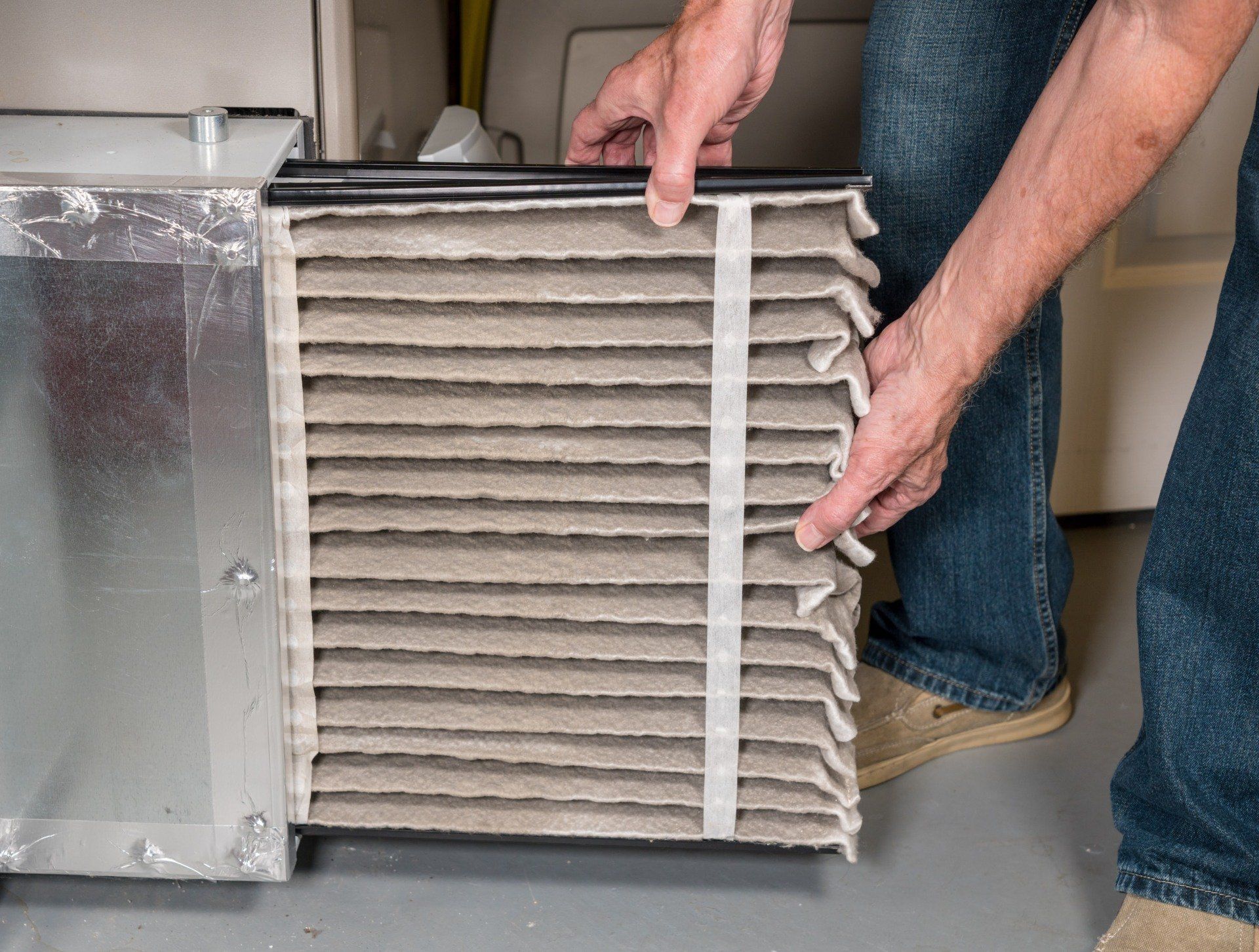
One of the most common causes of uneven cooling is a clogged air filter. When the filter becomes filled with dust and debris, it restricts the amount of air that can flow through the system. Reduced airflow can cause certain rooms to receive less cooled air than others, especially rooms located farther from the air handler.
Replacing air filters regularly helps maintain proper airflow and keeps the HVAC system operating efficiently. During spring, it is particularly important to ensure filters are clean before the cooling season begins.
Ductwork Issues That Prevent Even Air Distribution
Your home's duct system plays a critical role in distributing cooled air throughout the house. If ducts are leaking, damaged, or poorly balanced, conditioned air may escape before reaching certain rooms. Even small gaps or loose duct connections can reduce airflow enough to create noticeable hot and cold spots.
Older homes in the Smyrna area sometimes have duct systems that were not designed for modern cooling loads or have experienced wear over time. A professional inspection can identify leaks or airflow restrictions that may be affecting comfort.
Sun Exposure and Room Location
Rooms that receive direct sunlight throughout the afternoon naturally absorb more heat. Large windows, vaulted ceilings, and upper-floor rooms often experience greater heat gain during warmer months. If airflow to these spaces is limited, the HVAC system may struggle to maintain consistent temperatures.
Homes with multiple levels commonly experience this issue because warm air naturally rises. Without proper airflow balancing, upstairs areas may feel warmer than the lower levels of the home.
Thermostat Placement and System Balance
The thermostat measures the temperature of the room where it is located. If that area cools quickly, the system may shut off before other rooms reach the same comfort level. This can create noticeable temperature differences between rooms that receive different amounts of airflow.
- Leaky or poorly sealed ductwork
- Dirty evaporator coils or blower components
- Improper HVAC system sizing
- Closed or blocked air vents
- Insufficient attic insulation
Because several different issues can contribute to uneven temperatures, it is often helpful to have a qualified HVAC technician evaluate the entire system rather than trying to diagnose the problem based on a single symptom.

How HVAC Service Can Restore Comfort Throughout Your Home
If your home consistently experiences hot and cold spots, a professional HVAC inspection can help identify the root cause. Instead of simply lowering the thermostat, a technician can evaluate airflow, inspect ductwork, and examine the performance of the air conditioning system to determine why certain rooms are not cooling properly.
In many cases, the solution may be relatively simple. Cleaning internal components, replacing clogged filters, or correcting airflow restrictions can significantly improve temperature balance throughout the home.
The Importance of Seasonal HVAC Tune-Ups
Spring HVAC tune-ups are one of the most effective ways to prepare your system for the upcoming cooling season. During a tune-up, technicians inspect critical components, clean coils, test airflow performance, and ensure the system is operating at peak efficiency.
Regular maintenance can prevent small airflow issues from developing into larger problems while also helping the system maintain consistent temperatures throughout the home.
When Hot and Cold Spots May Indicate a Larger HVAC Issue
While airflow adjustments often resolve uneven temperatures, persistent hot and cold spots can sometimes signal a larger problem. Aging HVAC systems may struggle to maintain consistent airflow throughout the home, particularly if the equipment is nearing the end of its lifespan.
If the system is undersized, inefficient, or experiencing mechanical issues, it may not be capable of delivering balanced cooling throughout the home during warmer months.
Improving Comfort in Smyrna and the Greater Metro Atlanta Area
Homeowners in Smyrna, Marietta, Vinings, Mableton, Kennesaw, and surrounding Metro Atlanta communities rely heavily on their air conditioning systems throughout the long Georgia summer. Addressing airflow issues early in the spring can help ensure your home remains comfortable even during the hottest days of the year.
- Schedule spring HVAC maintenance before peak cooling season
- Replace air filters regularly to maintain proper airflow
- Ensure vents remain open and unobstructed
- Have ductwork inspected for leaks or airflow restrictions
- Monitor rooms that receive heavy sunlight during the afternoon
Hot and cold spots may seem like a minor inconvenience at first, but they often indicate that your HVAC system is not distributing air as efficiently as it should. Taking action early can improve indoor comfort, increase system efficiency, and help prevent unexpected HVAC repairs during the peak of summer.